
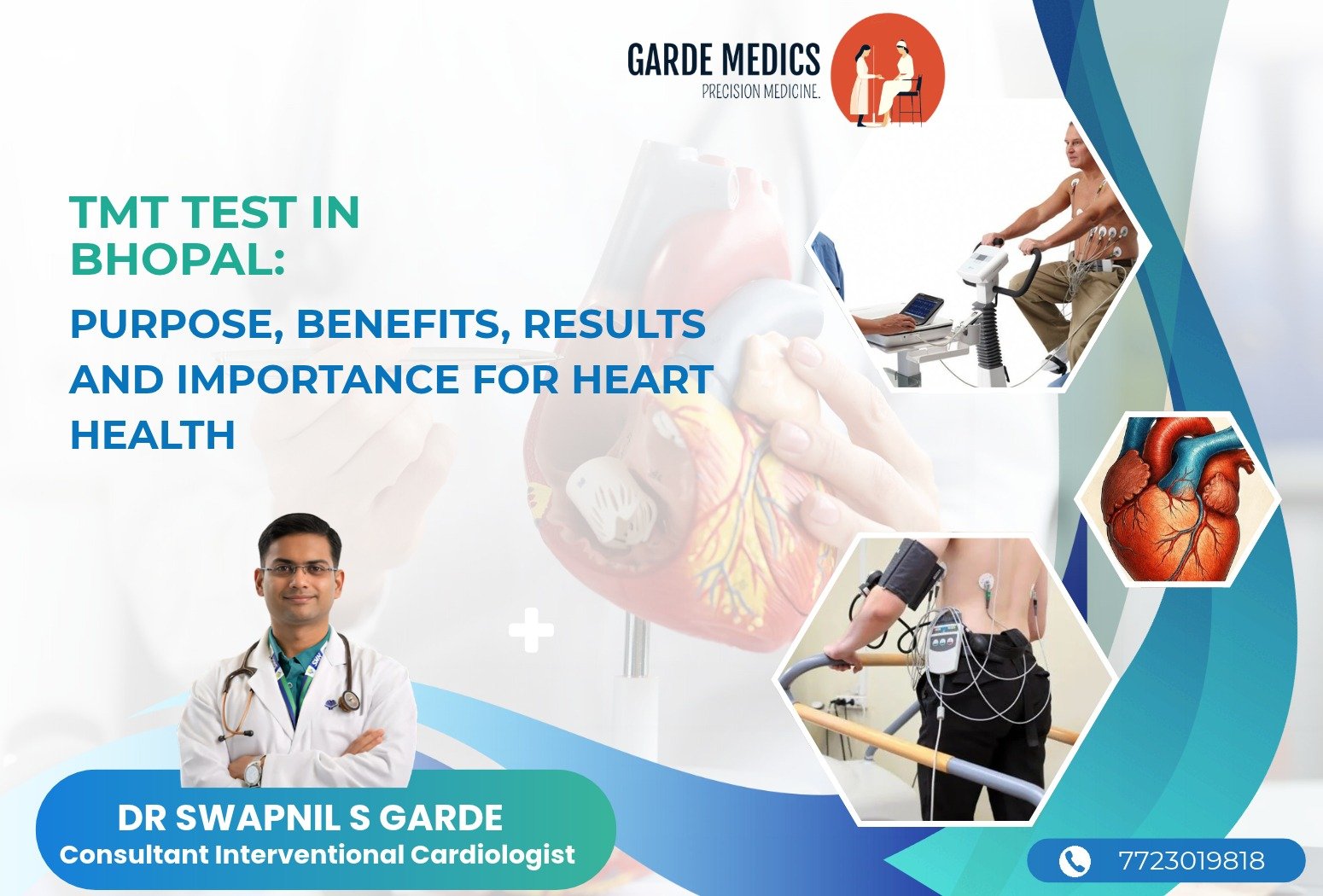
Dr. Swapnil S. Garde, an interventional cardiologist in Bhopal, provides cardiac consultation and diagnostic services for patients experiencing symptoms related to heart health. A TMT Test in Bhopal is an important cardiac investigation that helps doctors understand how the heart responds to physical activity. It can provide useful information when a patient experiences chest discomfort, breathlessness, or unusual tiredness during exercise. Understanding the purpose, benefits and results of this test can help people make informed decisions about their cardiovascular health.
What Is a TMT Test?
A Treadmill Test (TMT), also called an exercise stress test, is a diagnostic procedure used to evaluate the heart during physical activity. During the examination, the patient walks on a treadmill while medical professionals monitor heart rate, blood pressure and electrical activity through an electrocardiogram (ECG).
When a person exercises, the heart needs more oxygen-rich blood to meet the body’s increased demands. If the blood supply to the heart muscle is reduced, certain changes may appear in the ECG readings.
Doctors use these findings to assess possible coronary artery disease, exercise-related symptoms and the heart’s response to physical stress.
A TMT Test in Bhopal may be recommended for patients experiencing chest discomfort, breathlessness during activity or other symptoms that require further cardiac assessment.
Why Do Doctors Recommend a TMT Test?
Doctors may recommend treadmill testing when a patient has symptoms that need further cardiac investigation. It helps assess how the heart responds when its workload increases.
Some common reasons include:
· Chest discomfort during walking or physical activity.
· Breathlessness after climbing stairs.
· Unusual tiredness during exercise.
· Dizziness or lightheadedness during physical activity.
· Suspected coronary artery disease.
· Evaluation of exercise capacity in selected heart patients.
· Assessment after certain cardiac treatments.
A TMT Test in Bhopal can provide useful information when combined with the patient’s medical history, physical examination and other investigations.
However, this test is not suitable for every patient. A doctor must first determine whether exercise testing is safe and appropriate.
TMT Test in Bhopal: Understanding the Procedure and Its Benefits
A treadmill examination follows a systematic procedure under medical supervision. The workload gradually increases so doctors can observe how the heart responds to physical activity.
Initial Health Assessment
Before beginning the examination, the medical team reviews the patient’s medical history, current symptoms, medicines and previous cardiac reports.
Resting blood pressure and heart rate are also checked. A resting ECG may be recorded to identify any existing abnormalities.
Attaching ECG Electrodes
Small electrodes are attached to specific areas of the chest. These electrodes are connected to an ECG machine that continuously records the electrical activity of the heart.
Walking on the Treadmill
The patient begins walking at a comfortable speed. Gradually, the treadmill speed and incline increase according to the testing protocol.
This makes the heart work harder and increases its demand for oxygen.
Continuous Heart Monitoring
Throughout the examination, medical professionals monitor:
· Heart rate and rhythm.
· Blood pressure.
· ECG changes.
· Breathing and physical response.
· Chest discomfort, dizziness or unusual tiredness.
Recovery Monitoring
After the exercise period ends, the patient rests while the medical team continues monitoring heart rate, blood pressure and ECG readings.
The complete appointment generally takes around 30–60 minutes, although the actual exercise period is usually shorter.
Who Should Consider a Treadmill Test?
Not everyone needs a cardiac stress examination. The decision depends on symptoms, age, medical history and the possibility of heart disease.
A doctor may consider this investigation for people who have:
1. Repeated chest discomfort during physical activity.
2. A family history of early heart disease along with other risk factors.
3. Diabetes or high blood pressure with suspected cardiac symptoms.
4. High cholesterol and other cardiovascular risk factors.
5. Breathlessness during routine activities.
6. A suspected reduction in blood supply to the heart.
7. A need for selected post-treatment cardiac assessment.
People with diabetes should pay particular attention to their heart health because diabetes can increase the risk of cardiovascular disease. Some individuals may experience less typical heart attack symptoms, making proper medical evaluation important.
A TMT Test in Bhopal may be considered when a doctor believes exercise-based assessment can provide useful clinical information.
What Does a Normal TMT Report Mean?
A normal result generally means that the test did not show significant ECG evidence of exercise-induced reduced blood supply to the heart under the conditions of the examination.
However, a normal report does not completely rule out coronary artery disease.
Some heart conditions may not produce detectable changes during a standard treadmill examination. The result must therefore be interpreted alongside symptoms, risk factors and other investigations.
A complete Heart Disease Diagnosis in Bhopal requires more than one report or test result. Doctors consider the patient’s overall clinical condition before deciding whether additional testing is necessary.
What Does an Abnormal TMT Report Indicate?
An abnormal treadmill report may show changes in the ECG during exercise that suggest the heart muscle is not receiving enough blood and oxygen.
However, an abnormal result does not automatically confirm blocked heart arteries. Certain ECG abnormalities, medicines, existing heart conditions and other factors can influence the findings.
Depending on the patient’s condition, the doctor may recommend:
· A detailed clinical examination.
· Resting ECG.
· 2D Echocardiography.
· Stress echocardiography.
· Nuclear stress imaging.
· Coronary CT angiography.
· Coronary angiography in selected cases.
The next investigation depends on the patient’s symptoms, overall cardiac risk and initial test findings.
A Cardiologist in Bhopal can help interpret an abnormal report and determine whether further evaluation or treatment is needed.
Importance of Cardiac Evaluation in Bhopal
Cardiac evaluation helps identify potential heart problems and understand the reasons behind symptoms such as chest discomfort, breathlessness and irregular heartbeats.
Doctors may recommend different investigations depending on the patient’s condition.
Some commonly used cardiac investigations include:
1. ECG: Records the electrical activity of the heart and helps identify certain rhythm abnormalities and other cardiac changes.
2. 2D Echocardiography: Uses ultrasound to examine the heart’s structure, pumping function and valves.
3. TMT: Evaluates the heart’s response to physical activity.
4. Holter Monitoring: Records the heart’s electrical activity over an extended period, usually 24 hours or longer.
5. Ambulatory Blood Pressure Monitoring: Measures blood pressure at regular intervals during daily activities.
A Cardiac Evaluation in Arera Colony Bhopal may include one or more of these investigations depending on the patient’s symptoms and medical history.
Early assessment is particularly important for people with diabetes, high blood pressure, high cholesterol and a family history of cardiovascular disease.
TMT Test in Arera Colony Bhopal: What Should Patients Expect?
Patients looking for a TMT Test in Arera Colony Bhopal should understand that the examination involves continuous monitoring and medical supervision.
At Garde Medics, Dr. Swapnil S. Garde provides cardiac consultation and diagnostic services. His website lists TMT, ECG, echocardiography, Holter monitoring and ambulatory blood pressure monitoring among the available cardiac services.
The doctor evaluates the patient’s symptoms and medical history to determine whether treadmill testing is suitable.
Patients should carry their previous ECG reports, prescriptions and other relevant medical records when visiting for consultation.
How to Understand Your TMT Test Results
The results of a treadmill examination are interpreted by considering ECG changes, heart rate, blood pressure and the symptoms experienced during exercise.
Normal Results
A normal result generally indicates that no significant exercise-related ECG changes suggesting reduced blood supply were detected during the examination.
Abnormal Results
An abnormal result may indicate possible reduced blood flow to the heart muscle. Further testing may be required to understand the underlying cause.
Inconclusive Results
Sometimes, the test does not provide enough information for a clear conclusion. This may happen when the patient cannot exercise sufficiently or when existing ECG changes make interpretation difficult.
In such cases, the doctor may suggest another investigation.
A Heart Specialist in Bhopal can explain the findings and recommend suitable next steps based on the complete clinical picture.
How to Choose a Cardiologist in Bhopal for TMT Evaluation
Choosing the right specialist is an important step when evaluating possible heart problems. A cardiologist should understand the patient’s symptoms, medical history and investigation results before suggesting further treatment.
Consider these factors when selecting a specialist:
1. Check Qualifications and Specialisation
Look for a doctor with appropriate qualifications and training in cardiology. For advanced heart procedures, additional experience in interventional cardiology may also be relevant.
2. Understand the Doctor’s Clinical Experience
Experience in evaluating cardiac conditions helps a specialist interpret investigation findings in the context of the patient’s overall health.
3. Consider Diagnostic Facilities
Access to ECG, echocardiography, treadmill testing and other relevant cardiac investigations can support a coordinated evaluation.
4. Look for Clear Communication
A good consultation should help patients understand their reports, possible diagnosis, treatment options and follow-up requirements.
Dr. Swapnil S. Garde is an interventional cardiologist with MBBS, MD, DM, MRCP (UK) and FSCAI (USA) qualifications.
Patients looking for a Heart Doctor in Arera Colony Bhopal can explore his consultation services at Garde Medics.
Why Professional Experience Matters in Cardiac Evaluation
Cardiac symptoms can have different causes. Chest discomfort, for example, may be related to heart disease, acidity, muscular problems or respiratory conditions.
Similarly, an abnormal treadmill report needs careful interpretation rather than an immediate assumption that a patient has blocked arteries.
An experienced specialist considers:
· The nature and duration of symptoms.
· Existing medical conditions.
· Family history of heart disease.
· ECG findings and exercise response.
· Blood pressure and heart rate changes.
· Results of previous investigations.
An Interventional Cardiologist in Bhopal may also assess whether additional procedures, such as coronary angiography or angioplasty, are required in selected patients.
Dr. Swapnil S. Garde’s professional profile highlights his training in cardiology and interventional procedures, including coronary angioplasty and cardiac catheterisation.
What Happens After a TMT Test?
The next step depends on whether the results are normal, abnormal or inconclusive.
If the findings are reassuring, the doctor may recommend lifestyle changes, routine follow-up and management of existing risk factors.
If the findings suggest possible heart disease, further investigations may be advised.
Treatment options can include:
· Medicines to manage blood pressure and cholesterol.
· Diabetes management.
· Lifestyle and dietary modifications.
· Supervised physical activity.
· Additional cardiac imaging.
· Angiography or other procedures when clinically indicated.
A Heart Disease Diagnosis in Bhopal should be based on appropriate clinical assessment and investigations rather than a single test result.
Lifestyle Habits That Support Better Heart Health
A treadmill examination can provide useful information, but maintaining heart health requires regular attention to everyday habits.
Consider adopting these practices:
Maintain a balanced diet: Include fruits, vegetables, whole grains, pulses and healthy sources of protein. Limit excess salt, sugar and unhealthy fats.
Stay physically active: Regular walking and other suitable activities support cardiovascular fitness. Follow medical advice if you have existing heart symptoms.
Monitor blood pressure: High blood pressure can damage blood vessels over time, increasing the risk of heart disease.
Control blood sugar: People with diabetes should monitor their glucose levels and follow their treatment plan.
Avoid smoking: Smoking damages blood vessels and increases the risk of cardiovascular complications.
Maintain a healthy weight: A healthy weight can help reduce the risk of diabetes, hypertension and other heart-related conditions.
Get adequate sleep: Consistent sleep habits support overall health and help maintain a healthy routine.
People with existing heart conditions should discuss their exercise plans with their doctor before starting a new fitness programme.
TMT Test in Bhopal: Consult Dr. Swapnil S. Garde
Understanding your heart health is important, especially when you experience chest discomfort, breathlessness, unexplained fatigue or other symptoms during physical activity.
A TMT Test in Bhopal can help doctors assess the heart’s response to exercise and identify findings that may require further investigation.
Dr. Swapnil S. Garde, an interventional cardiologist at Garde Medics, offers cardiac consultation and diagnostic services in Bhopal. His qualifications include MBBS, MD, DM, MRCP (UK) and FSCAI (USA).
Patients can visit Garde Medics in E-7, Arera Colony, Bhopal, or consult at Sagar Multispeciality Hospital for cardiac assessment.
Frequently Asked Questions (FAQs)
1. What is a TMT Test in Bhopal used for?
A TMT Test in Bhopal evaluates how the heart responds to physical activity. It helps doctors identify ECG changes that may suggest reduced blood supply to the heart muscle and assess exercise-related cardiac symptoms.
2. Where can I get a TMT Test in Arera Colony Bhopal?
Patients looking for a TMT Test in Arera Colony Bhopal can contact Garde Medics, E-7, Arera Colony, Bhopal. Dr. Swapnil S. Garde provides cardiac consultation and lists TMT among his diagnostic services.
3. When should I consult a Cardiologist in Bhopal for a TMT test?
You should consult a Cardiologist in Bhopal if you experience chest discomfort during activity, unusual breathlessness, dizziness or unexplained exercise-related fatigue. The specialist can decide whether treadmill testing is suitable.
4. What is the role of a Heart Specialist in Bhopal after an abnormal TMT report?
A Heart Specialist in Bhopal evaluates the report alongside symptoms, medical history and other investigations. Depending on the findings, the specialist may recommend further cardiac imaging, medication or additional procedures.
5. How long does a Treadmill Test in Bhopal take?
A Treadmill Test in Bhopal appointment generally takes around 30–60 minutes, including preparation and recovery monitoring. The actual exercise period is usually shorter and depends on the patient’s condition and testing protocol.
6. When should I visit a Heart Doctor in Arera Colony Bhopal?
You should consult a Heart Doctor in Arera Colony Bhopal for recurring chest discomfort, TMT Test in Bhopal breathlessness during activity, unexplained fatigue or concerns about your cardiac health. Severe or sudden chest pain requires emergency medical attention.
7. Why is Heart Disease Diagnosis in Bhopal important?
Early Heart Disease Diagnosis in Bhopal helps identify possible cardiovascular problems and allows doctors to recommend appropriate treatment. Medical assessment may include ECG, blood tests, echocardiography and treadmill testing when indicated.
8. What happens during a Cardiac Evaluation in Arera Colony Bhopal?
A Cardiac Evaluation in Arera Colony Bhopal may include a medical history review, physical examination, blood pressure measurement, ECG and other investigations. The doctor selects tests according to symptoms and individual risk factors.
9. When should I consult an Interventional Cardiologist in Bhopal?
An Interventional Cardiologist in Bhopal may be consulted when a patient needs specialised assessment for coronary artery disease, possible artery blockages or advanced cardiac treatment. Further procedures are recommended only when clinically appropriate.
10. Is a Cardiac Stress Test in Arera Colony Bhopal safe?
A Cardiac Stress Test in Arera Colony Bhopal is generally safe when performed on appropriately selected patients under medical supervision. However, people with certain serious or unstable heart conditions may need alternative investigations.
Conclusion
A treadmill examination or TMT Test in Bhopal is a useful investigation for assessing how the heart responds to physical activity. However, it should never be interpreted in isolation. Symptoms, medical history and other test findings are equally important.
If you experience recurring chest discomfort, breathlessness or unusual fatigue, seek medical advice rather than ignoring the symptoms. Timely evaluation and appropriate cardiac care can help identify potential problems and support better long-term heart health.