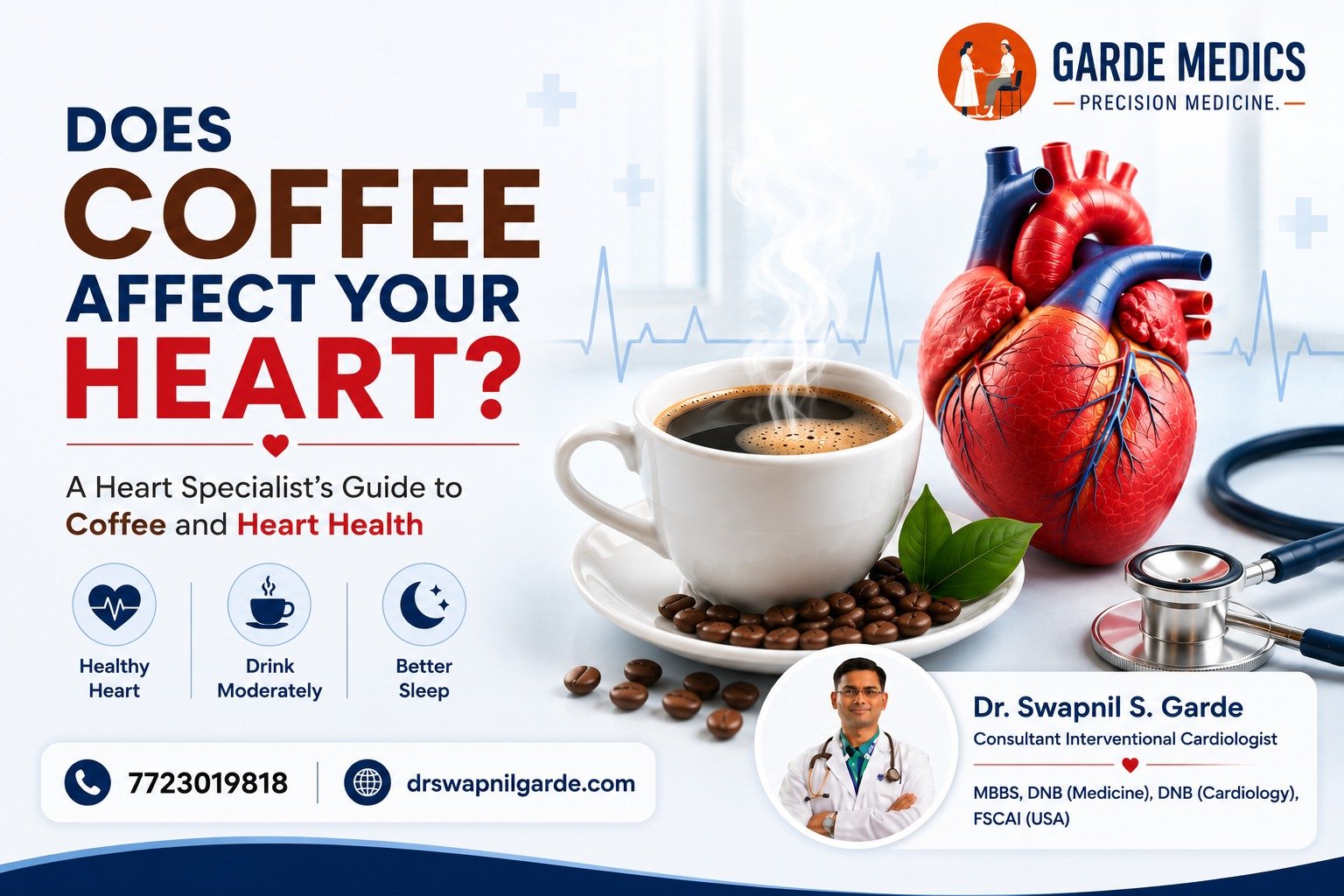
Coffee is part of many people’s daily routine, but one common question remains: Does Coffee Affect Your Heart? According to Dr. Swapnil Garde, a cardiologist in Bhopal, the answer depends on how much coffee you drink and how your body responds to caffeine. For most healthy adults, moderate coffee consumption can generally be part of a healthy lifestyle. However, some people may experience changes in heart rate, blood pressure, or palpitations after consuming caffeine.
Understanding the connection between coffee and heart health can help you make informed choices without unnecessarily giving up a drink you enjoy. Your overall lifestyle, including diet, exercise, sleep, blood pressure, and cholesterol management, remains important for long-term cardiovascular health.
Coffee and Heart Health: Is Coffee Good or Bad?
For years, coffee was considered a possible concern for the heart because caffeine is a stimulant. However, current research presents a more balanced picture. For most healthy adults, moderate coffee consumption is generally considered safe. Whether coffee is suitable for you depends on factors such as the amount you drink, your sensitivity to caffeine, and your overall health.
For people seeking advice from a cardiologist in Bhopal, the focus should be on moderation rather than automatically avoiding coffee. Excessive caffeine and sugary coffee drinks may be less heart-friendly, while regular exercise, a balanced diet, good sleep, and controlled blood pressure are more important for long-term cardiovascular health.
How Coffee Affects Your Heart: What Does Caffeine Do?
Caffeine is a stimulant that helps you feel more awake and alert. After drinking coffee, it can temporarily increase heart rate and blood pressure. This is why some people may notice changes in their heartbeat after having caffeine.
You May Experience:
- Increased alertness and energy
- A temporary rise in blood pressure
- A faster heartbeat
- Occasional heart palpitations
- Restlessness or shakiness
- Difficulty sleeping if coffee is consumed late
These effects can vary from person to person. While some people can drink coffee without noticing any changes, others may be more sensitive to caffeine. If you are concerned about coffee and heart rate, paying attention to how your body responds can be helpful. People looking for heart care in Bhopal should also remember that persistent palpitations or unusual symptoms should be discussed with a doctor rather than automatically blaming coffee. The amount of caffeine also differs between coffee types and serving sizes. A small homemade coffee may contain a very different amount of caffeine compared with a large café-style drink.
Caffeine and Heart Health in Bhopal: How Much Coffee Is Safe?
One of the most common questions about caffeine and heart health is how much coffee is safe. For most healthy adults, up to around 400 mg of caffeine per day is generally considered safe. However, everyone responds differently, and some people may need less. The amount of caffeine varies depending on the type, serving size, and preparation method. If one or two cups cause anxiety, headaches, palpitations, or sleep problems, reducing your intake may be helpful. A heart specialist in Bhopal can also guide you if you have existing heart concerns or notice symptoms after drinking coffee.
Signs You May Be Having Too Much Caffeine
- Restlessness or anxiety
- Shakiness
- Headaches
- Difficulty sleeping
- Heart palpitations
- Temporary increase in blood pressure
Remember that caffeine can also come from tea, energy drinks, cola, chocolate, and some medications. Energy drinks may contain high amounts of caffeine and should not be treated the same as a regular cup of coffee. For people who enjoy coffee, the best approach is to choose an amount you tolerate comfortably rather than trying to reach the maximum daily limit.
Coffee and Blood Pressure in Bhopal: Should You Be Concerned?
If you have high blood pressure, you may wonder, Does Coffee Affect Your Heart? Caffeine can cause a temporary rise in blood pressure, especially in people who are sensitive to it. However, this short-term effect does not necessarily mean that moderate coffee consumption causes long-term high blood pressure.
People respond differently to caffeine. Those with well-controlled blood pressure may be able to enjoy moderate coffee, while people with severe or uncontrolled hypertension may need to be more careful. Current guidance recommends limiting caffeine to less than 300 mg per day, with extra caution for severe uncontrolled hypertension. If you are unsure about your response, a heart doctor in Bhopal can help you decide what is appropriate.
It is also important to remember that coffee and blood pressure are only one part of the picture. Stress, poor sleep, high salt intake, lack of exercise, excess weight, smoking, and alcohol can also contribute to high blood pressure.
Coffee and Cardiovascular Health: Who Should Be Careful?
For most healthy adults, moderate coffee consumption is not considered a major cardiovascular risk. However, some people may need to be more careful with caffeine, especially those who:
- Have severe or uncontrolled high blood pressure
- Experience frequent palpitations
- Have certain heart rhythm problems
- Are particularly sensitive to caffeine
- Have sleep problems that worsen after coffee
- Drink large amounts of caffeine from different sources
- Notice repeated symptoms after drinking coffee
If you already have heart disease, you do not automatically have to stop drinking coffee. The appropriate amount depends on your condition, medications, blood pressure, heart rhythm, and symptoms. Does Coffee Affect Your Heart differently if you already have a heart condition? In many cases, the answer depends on the specific condition, your symptoms, and how much caffeine you consume. A cardiac specialist in Bhopal can help you understand whether your coffee intake is suitable for your individual heart health. Research also suggests that coffee can affect different heart rhythms in different ways. This is another reason why there is no single recommendation that applies to everyone.
What About Coffee and Cholesterol?
The way coffee is prepared can affect its impact on cholesterol. Unfiltered coffee may contain compounds that can increase LDL, often called “bad” cholesterol, while paper filters remove much of these compounds. If you have high cholesterol or an increased risk of heart disease, filtered coffee may be a better everyday choice.
Dr. Swapnil Garde also emphasizes that coffee is only one part of cholesterol management. A healthy diet, regular physical activity, maintaining a healthy weight, and managing conditions such as diabetes are important for overall heart health.
Heart-Healthy Coffee Habits: Tips From a Heart Specialist in Bhopal
If you enjoy coffee, you do not necessarily need to give it up. Does Coffee Affect Your Heart depends on how much you drink and how your body responds.
Follow these simple habits to enjoy coffee while supporting your overall heart health:
- Keep caffeine moderate: Choose an amount that feels comfortable for you rather than drinking several cups unnecessarily.
- Limit added sugar: Avoid excessive sugar, flavored syrups, and high-calorie creamers in your coffee.
- Choose filtered coffee: Filtered coffee may be a better choice if you are concerned about cholesterol.
- Avoid coffee close to bedtime: Having coffee too late can affect sleep, which is important for heart health.
- Pay attention to symptoms: If coffee causes palpitations, anxiety, or noticeable blood-pressure changes, consider reducing your intake.
- Don’t replace sleep with coffee: Coffee can temporarily increase alertness, but it cannot replace adequate sleep.
- Maintain healthy habits: Regular exercise, nutritious food, good sleep, and routine checkups remain important for a healthy heart.
If you have existing heart concerns or experience repeated symptoms after coffee, a heart specialist in Bhopal can provide personalized advice.
When Should You See a Cardiologist in Bhopal?
For most people, drinking coffee alone is not a reason to see a doctor. However, if you are wondering Does Coffee Affect Your Heart, certain symptoms after drinking coffee should not be ignored.
You should consider speaking with a doctor if you experience:
- Chest pain or pressure
- Persistent or severe palpitations
- Breathlessness
- Dizziness
- Fainting or near-fainting
- Repeatedly high blood pressure
- Unusual tiredness during normal physical activity
These symptoms should not automatically be blamed on coffee. A racing heartbeat after coffee could be related to caffeine, but it may also have other causes such as an abnormal heart rhythm, thyroid problems, anemia, dehydration, anxiety, or certain medications. If you already have a heart condition and notice that coffee consistently triggers symptoms, discuss your caffeine intake with your treating doctor.
Why Choose Dr. Swapnil S. Garde for Expert Heart Health Advice in Bhopal?
Understanding how coffee and caffeine affect your heart can be confusing, especially when everyone responds differently. Dr. Swapnil S. Garde, a heart specialist in Bhopal, provides personalized guidance based on your heart health, blood pressure, cholesterol levels, symptoms, and overall lifestyle.
Patients Can Benefit From:
- Comprehensive Heart Health Evaluation
- Cardiovascular Risk Assessment
- Blood Pressure Monitoring and Management
- Cholesterol and Lipid Management
- Evaluation of Coffee-Related Palpitations
- Personalized Lifestyle Counselling
- Preventive Cardiology Guidance
- Evidence-Based Treatment Plans
- Regular Follow-Up Care
With 15+ years of clinical experience, 10+ years of experience in cardiology, and 5,000+ successful cardiac procedures and interventions, Dr. Garde focuses on early identification of cardiovascular risks, preventive care, and long-term heart health. If you are unsure about how much coffee is appropriate for you or notice symptoms such as palpitations or changes in blood pressure after caffeine, consulting an experienced cardiologist can help you make informed decisions based on your individual health needs.

Services Offered by Dr. Swapnil S. Garde
Dr. Swapnil S. Garde provides a range of diagnostic and therapeutic cardiac services at Garde Medics, with a focus on personalized and evidence-based heart care.
Cardiac Services Include:
- Echocardiography (Echo) / TEE
- Coronary Angiography
- Cath Study
- Pacemaker Implantation
- IVL (Intravascular Lithotripsy)
- Ambulatory Blood Pressure Monitoring
- Body Composition Analysis
- Holter Monitoring
- TMT (Treadmill Test)
- ECG
- 2D Echo & Color Doppler
- Cardiac Checkup
For patients concerned about coffee and heart health, diagnostic services such as ECG, echocardiography, Holter monitoring, ambulatory blood pressure monitoring, and cardiac checkups can be relevant when evaluating symptoms such as palpitations, changes in blood pressure, or other cardiovascular concerns.
FAQs About Coffee and Heart Health
1. Does Coffee Affect Your Heart? A Cardiologist in Bhopal Explains
For most healthy adults, moderate coffee consumption is generally safe. Caffeine can temporarily increase heart rate and blood pressure, and some people may experience palpitations.
If you regularly experience symptoms after drinking coffee, a cardiologist in Bhopal can help determine whether caffeine is contributing to the problem.
2. Can Heart Patients Drink Coffee? Advice From the Best Cardiologist in Bhopal
Many people with heart conditions can drink moderate amounts of coffee, but there is no single recommendation for every patient.
Your heart condition, medications, blood pressure, heart rhythm, and symptoms all matter. A best cardiologist in Bhopal can provide advice based on your individual health.
3. Can Coffee Increase Blood Pressure?
Yes. Caffeine can temporarily increase blood pressure, especially in people who are sensitive to it.
If you have high blood pressure, a heart specialist can help you understand how much caffeine may be appropriate for you.
4. Can Coffee Cause Heart Palpitations? Advice From a Heart Doctor in Bhopal
Yes, caffeine can cause some people to feel that their heart is beating faster or differently.
Occasional mild palpitations may be related to caffeine, but frequent or severe palpitations should be evaluated. A heart doctor in Bhopal can help identify whether the symptoms are related to caffeine or another heart problem.
5. How Much Coffee Is Safe for the Heart?
Up to around 400 mg of caffeine per day is generally considered safe for most healthy adults, although caffeine levels vary between different coffee products.
A cardiac specialist may recommend a lower intake if you have certain heart conditions, high blood pressure, or caffeine sensitivity.
6. Is Coffee Safe for People With Heart Conditions? An Interventional Cardiologist in Bhopal Explains
Having heart disease does not automatically mean that you must stop drinking coffee.
However, your specific condition matters. An interventional cardiologist in Bhopal can help you understand whether your coffee intake is suitable based on your cardiovascular health and symptoms.
7. Can Coffee Be Part of a Heart-Healthy Lifestyle?
Yes. For most people, moderate coffee can fit into a healthy lifestyle.
The important thing is to avoid excessive caffeine and added sugar while focusing on regular exercise, healthy food, good sleep, and controlling blood pressure and cholesterol. A heart health doctor can help you manage these risk factors.
8. Does Coffee Affect Everyone’s Heart in the Same Way? Ask a Cardiologist Near Me in Bhopal
No. People respond to caffeine differently. Some people can drink coffee without any noticeable effects, while others may experience palpitations, anxiety, or a temporary increase in blood pressure.
If you are looking for a cardiologist near me in Bhopal, discussing your symptoms with a qualified doctor can help you understand your personal response to caffeine.
9. Is Filtered Coffee Better for Heart Health? Advice for Better Heart Care in Bhopal
Filtered coffee may be a better choice for people concerned about cholesterol because paper filters remove many of the compounds found in unfiltered coffee that can increase LDL cholesterol.
Good heart care in Bhopal involves more than coffee. Blood pressure, cholesterol, diet, exercise, sleep, and other lifestyle factors all contribute to cardiovascular health.
10. When Should You Seek Cardiac Care for Coffee-Related Symptoms?
If coffee repeatedly causes severe palpitations, chest discomfort, breathlessness, dizziness, or fainting, you should not simply assume that caffeine is responsible.
Seeking appropriate cardiac care can help identify the underlying cause and ensure that any heart-related problem is properly evaluated.
Final Thoughts on Coffee and Heart Health
So, Does Coffee Affect Your Heart? It can, but the effect varies from person to person.
For most healthy adults, moderate coffee consumption can be part of a healthy lifestyle. However, people with high blood pressure, heart conditions, or recurring symptoms may need personalized advice. Ultimately, the effect of coffee depends on your individual health, caffeine intake, and how your body responds. Enjoy coffee in moderation, limit added sugar, and pay attention to how your body responds. A balanced diet, regular exercise, good sleep, and routine heart checkups remain important for long-term heart health.