
Contact Number

+91 77230 19818

Clinic Timming

5:30 PM to 8:00 PM

Email Address

dr.swapnilgarde@ymail.com

Author name: drswapnilgardebhopal@gmail.com

Uncategorized

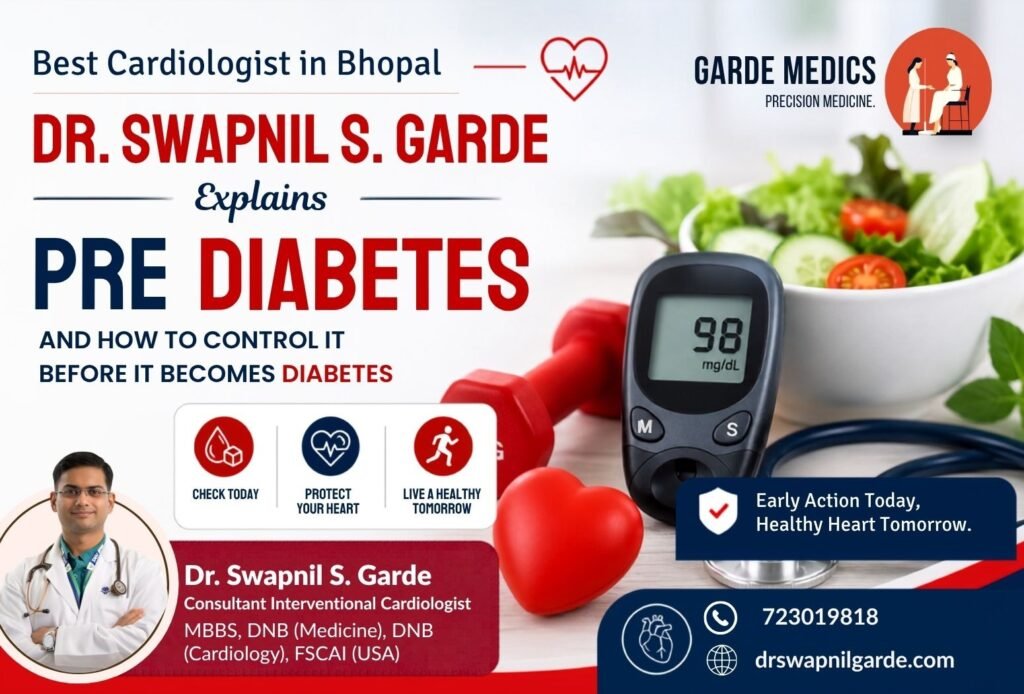
Best Cardiologist in Bhopal- Dr Swapnil S Garde Explains Pre Diabetes and How to Control It Before It Becomes Diabetes

Pre Diabetes Treatment in Bhopal: Why Early Action Can Prevent Diabetes and Protect Your Heart Pre diabetes treatment in Bhopal is essential for people whose blood sugar levels are higher than normal but not yet high enough to be diagnosed as Type 2 Diabetes. Many individuals believe that slightly elevated blood sugar is not a serious concern because they have not been diagnosed with diabetes. However, this misconception often delays treatment and increases the risk of long-term health complications. According to Dr. Swapnil S. Garde, the Best Cardiologist in Bhopal, prediabetes is an early warning sign that your body is struggling to regulate blood sugar effectively. Without timely intervention, it can gradually progress to Type 2 Diabetes and significantly increase the risk of heart disease, stroke, high blood pressure, kidney disease, and other serious medical conditions. Dr. Swapnil S. Garde explains that prediabetes is one of the few conditions that can often be reversed when detected early. Healthy eating habits, regular physical activity, weight management, routine health check-ups, and timely Pre diabetes treatment in Bhopal can help restore blood sugar levels to the normal range while reducing the chances of future cardiovascular complications. Early diagnosis gives patients the opportunity to make positive lifestyle changes before permanent damage occurs. In this comprehensive guide, Dr. Swapnil S. Garde, the Best Cardiologist in Bhopal, explains everything you need to know about prediabetes, including its causes, symptoms, risk factors, diagnosis, treatment options, lifestyle modifications, and practical ways to control blood sugar before it develops into Type 2 Diabetes. If you are looking for expert guidance on Pre diabetes treatment in Bhopal, understanding the condition today can help you protect both your heart and your overall health. What is Prediabetes? Best Cardiologist in Bhopal Explains Prediabetes is a condition in which blood sugar levels are higher than normal but not high enough to be classified as Type 2 Diabetes. Although it may not cause noticeable symptoms, it is an important warning sign that your body is becoming resistant to insulin and may struggle to regulate blood sugar effectively. According to Dr. Swapnil S. Garde, the Best Cardiologist in Bhopal, insulin is a hormone that helps glucose move from the bloodstream into the body’s cells, where it is converted into energy. When the body becomes resistant to insulin, glucose remains in the blood instead of being used by the cells, causing blood sugar levels to rise gradually. One of the biggest concerns with prediabetes is that it often develops silently. Many people continue their daily routine without realizing that elevated blood sugar may already be affecting their heart, blood vessels, kidneys, nerves, and other vital organs. Without timely medical attention, prediabetes can gradually progress to Type 2 Diabetes and increase the risk of cardiovascular disease. The good news is that Pre diabetes treatment in Bhopal can often help reverse the condition. With early diagnosis, healthy lifestyle changes, regular blood sugar monitoring, and expert medical guidance, many individuals are able to prevent diabetes and maintain better long-term health. Why Should You Take Prediabetes Seriously? Best Cardiologist in Bhopal Explains Many people assume that prediabetes is not dangerous because they have not yet been diagnosed with diabetes. In reality, prediabetes is an early indication that your body is already experiencing metabolic changes that can affect your overall health if left untreated. According to Dr. Swapnil S. Garde, the Best Cardiologist in Bhopal, insulin resistance begins long before diabetes develops. During this stage, elevated blood sugar can slowly damage blood vessels, increase inflammation, and raise the risk of several chronic diseases. Ignoring prediabetes may increase the risk of: Type 2 Diabetes High Blood Pressure High Cholesterol Heart Disease Heart Attack Stroke Fatty Liver Disease Kidney Disease Vision Problems Nerve Damage Seeking timely Pre diabetes treatment in Bhopal can help prevent these complications while improving blood sugar control and supporting better heart health. What Causes Prediabetes? Prediabetes develops when the body becomes resistant to insulin, making it difficult to maintain normal blood sugar levels. Several lifestyle and genetic factors contribute to this condition. 1. Excess Body Weight Being overweight, particularly around the abdomen, significantly increases insulin resistance and raises the likelihood of developing prediabetes. 2. Physical Inactivity A sedentary lifestyle reduces the body’s ability to use glucose efficiently, allowing blood sugar levels to increase over time. 3. Poor Eating Habits Regular consumption of sugary beverages, processed foods, refined carbohydrates, and fast food contributes to insulin resistance and unhealthy blood sugar levels. 4. Family History People with parents or siblings living with diabetes have a greater chance of developing prediabetes. 5. High Blood Pressure High blood pressure frequently occurs alongside insulin resistance and further increases cardiovascular risk. 6. High Cholesterol Abnormal cholesterol levels can damage blood vessels and worsen insulin resistance. 7. Chronic Stress Long-term stress increases cortisol levels, making blood sugar more difficult to control. 8. Poor Sleep Lack of quality sleep affects hormone balance and reduces insulin sensitivity. According to Dr. Swapnil S. Garde, the Best Cardiologist in Bhopal, improving these risk factors through healthy lifestyle modifications and timely Pre diabetes treatment in Bhopal can significantly reduce the chances of developing Type 2 Diabetes. What Are the Early Symptoms of Prediabetes? Best Cardiologist in Bhopal Explains One of the biggest challenges with prediabetes is that many individuals do not experience obvious symptoms during the early stages. As a result, the condition often remains undiagnosed until routine blood tests reveal elevated blood sugar levels. Some common early warning signs include: Increased thirst Frequent urination Constant tiredness or fatigue Blurred vision Slow wound healing Increased hunger Weight gain around the waist Dark patches on the neck or underarms (Acanthosis Nigricans) According to Dr. Swapnil S. Garde, the Best Cardiologist in Bhopal, anyone who is overweight, has high blood pressure, high cholesterol, a family history of diabetes, or leads a sedentary lifestyle should undergo regular blood sugar screening. Early diagnosis followed by appropriate Pre diabetes treatment in Bhopal can help prevent the progression to Type 2 Diabetes while protecting long-term heart

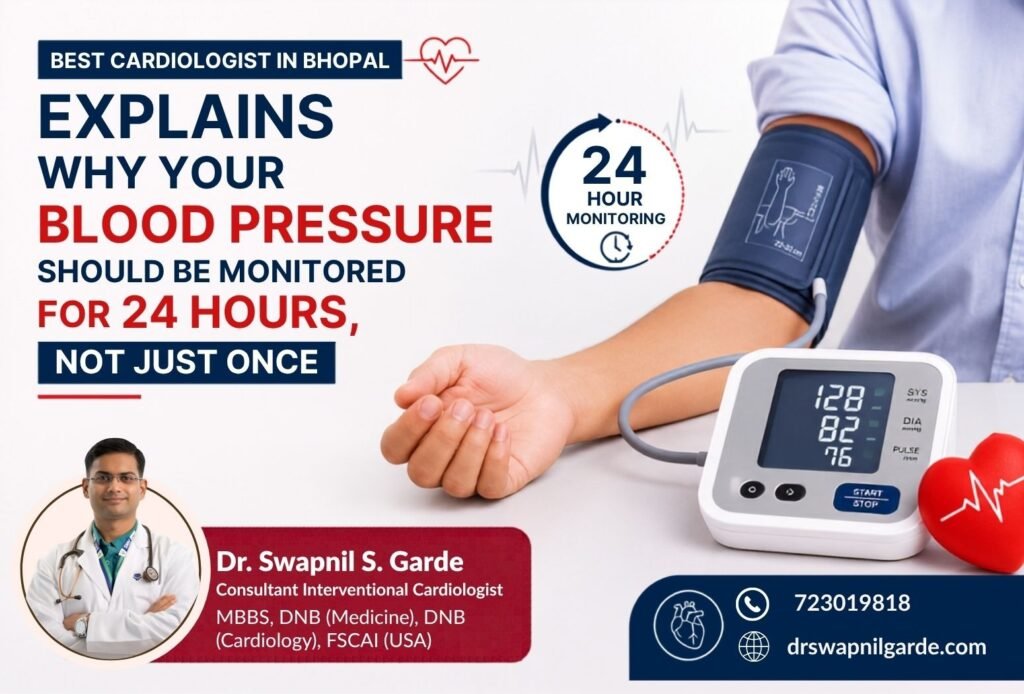
Best Cardiologist in Bhopal, explaining the benefits of 24 Hours Blood Pressure Monitoring (ABPM) for accurate hypertension diagnosis and heart health.
Uncategorized

Best Cardiologist in Bhopal Explains Why Your Blood Pressure Should Be Monitored for 24 Hours, Not Just Once

Best Cardiologist in Bhopal emphasizes that a single blood pressure reading is not always enough to understand your heart health. Many people believe that if their blood pressure is normal during a doctor’s visit, everything is fine, while others become worried after one high reading and assume they have hypertension. In reality, blood pressure is constantly changing throughout the day. It varies depending on your physical activity, stress levels, emotions, sleep, diet, medications, and even the environment around you. This is why 24 Hours Blood Pressure Monitoring (ABPM) provides a much more accurate picture of your cardiovascular health than a single clinic reading. According to Dr. Swapnil S. Garde, Best Cardiologist in Bhopal, continuous blood pressure monitoring helps diagnose hypertension more accurately, detect hidden blood pressure problems, and guide the right treatment plan for long-term heart health. According to Dr. Swapnil S. Garde, widely recognized by many patients as the Best Cardiologist in Bhopal, relying on a single blood pressure reading can sometimes lead to an incomplete picture of your heart health. This is why 24 Hours Blood Pressure Monitoring in Bhopal, also known as Ambulatory Blood Pressure Monitoring (ABPM), has become one of the most effective ways to diagnose and manage hypertension. At Garde Medics, patients receive comprehensive cardiac evaluation based on the latest scientific guidelines. The clinic combines advanced diagnostic technology with evidence-based treatment, ensuring that every patient receives personalized cardiac care. Medical records, prescriptions, and reports are securely maintained in digital format, making follow-up consultations convenient while ensuring complete confidentiality. If you have ever wondered why your doctor recommends wearing a blood pressure monitor for an entire day instead of checking it once in the clinic, this article explains everything you need to know. Best Cardiologist in Bhopal for Accurate Blood Pressure Evaluation High blood pressure, or hypertension, is often called the silent killer because it usually develops without obvious symptoms. Many individuals continue their daily routine without realizing that elevated blood pressure is slowly damaging their heart, kidneys, brain, and blood vessels. Some people experience headaches, dizziness, blurred vision, fatigue, or shortness of breath, while many experience no warning signs at all. A single blood pressure reading cannot always reveal whether your blood pressure remains high throughout the day. Temporary stress, anxiety, exercise, caffeine, or even rushing to your appointment can increase your blood pressure for a short period. As the Best Cardiologist in Bhopal, Dr. Swapnil S. Garde recommends 24 Hours Blood Pressure Monitoring in Bhopal for many patients because it provides a far more accurate assessment than one clinic reading. This advanced diagnostic test allows doctors to observe how your blood pressure behaves during work, rest, exercise, and sleep. Dr. Swapnil S. Garde – Best Cardiologist in Bhopal Dr. Swapnil S. Garde (MBBS, MD, DM, MRCP (UK), FSCAI (USA)) is an experienced Interventional Cardiologist and Director of Garde Medics, dedicated to providing advanced cardiac diagnosis and treatment in Bhopal. An alumnus of Gandhi Medical College, Bhopal, Dr. Garde completed: MBBS from Gandhi Medical College, Bhopal Internship in 2011 MD in General Medicine DM in Cardiology from Gauhati Medical College (2016–2019) MRCP (UK) FSCAI (USA) His vision is to make modern cardiac diagnostics and therapeutic facilities accessible to patients in Bhopal. Through Garde Medics, he focuses on evidence-based medicine, affordable care, and patient-centered treatment. His commitment to scientific practice and individualized care has made him a trusted Heart Specialist in Bhopal for patients with hypertension, heart disease, and other cardiovascular conditions. What Is 24 Hours Blood Pressure Monitoring in Bhopal? 24 Hours Blood Pressure Monitoring in Bhopal, also known as Ambulatory Blood Pressure Monitoring (ABPM), is a specialized test that records your blood pressure continuously over an entire 24-hour period while you continue your regular daily activities. A lightweight blood pressure cuff is placed around your arm and connected to a small portable monitor. The device automatically measures your blood pressure at regular intervals without requiring you to visit the clinic repeatedly. Typically, the monitor records blood pressure: Every 15–30 minutes during the daytime Every 30–60 minutes while you are asleep Unlike a single clinic reading, Ambulatory Blood Pressure Monitoring (ABPM) collects dozens of readings over the day and night. This allows the Best Cardiologist in Bhopal to evaluate your average blood pressure, daytime patterns, night-time blood pressure, morning blood pressure surge, and response to medications. Why One Blood Pressure Reading Is Not Enough Blood pressure naturally fluctuates throughout the day. It changes when you: Walk or exercise Climb stairs Experience stress Drink coffee or tea Sleep Eat meals Take medications If your blood pressure is measured only once, that reading reflects your blood pressure at a single moment—not your usual blood pressure. A patient who appears hypertensive during a clinic visit may have completely normal blood pressure at home. Similarly, another patient may show normal readings in the clinic while experiencing dangerously high blood pressure during daily life. This is why Dr. Swapnil S. Garde, regarded as one of the Best Cardiologists in Bhopal, often recommends 24 Hours Blood Pressure Monitoring in Bhopal for patients whose blood pressure pattern needs a more detailed evaluation. What Is White Coat Hypertension? One of the most common reasons for inaccurate blood pressure diagnosis is White Coat Hypertension. This condition occurs when a person’s blood pressure rises only inside a hospital or clinic due to anxiety during the medical examination. Many patients become nervous when visiting a doctor. Even though their blood pressure is perfectly normal at home, the stress of being in a medical setting temporarily increases their readings. Without Ambulatory Blood Pressure Monitoring (ABPM), these patients may be diagnosed with hypertension unnecessarily and may even begin medication they do not actually need. At Garde Medics, Dr. Swapnil S. Garde uses 24 Hours Blood Pressure Monitoring in Bhopal to distinguish between true hypertension and temporary anxiety-related blood pressure elevation, ensuring patients receive the right diagnosis. What Is Masked Hypertension? Masked hypertension is the opposite of White Coat Hypertension. In this condition: Blood pressure appears normal during

Importance of postprandial sugar check explained by Dr. Swapnil S. Garde, Best Cardiologist in Bhopal.
Uncategorized

Importance of Postprandial Sugar Check | Best Cardiologist in Bhopal

Maintaining healthy blood sugar levels is essential for overall health, especially for people with diabetes. The Best Postprandial Blood Sugar Test in Bhopal helps doctors understand how the body manages sugar after meals. Studies show that nearly 30–40% of people with early diabetes may have normal fasting sugar but high post-meal sugar levels, which can go unnoticed without this test. Monitoring postprandial sugar, usually checked 2 hours after eating, helps detect hidden glucose spikes and prevents long-term complications. At Garde Medics, under the expert guidance of Dr. Swapnil S. Garde, widely recognized as the Best Cardiologist in Bhopal, patients receive detailed advice on diabetes management and heart health. Research indicates that uncontrolled post-meal sugar can increase the risk of heart disease by nearly 20–30%. By recommending the Postprandial Blood Sugar Test, doctors can evaluate how your body responds to food and design a more effective treatment plan for better long-term health. What Does Postprandial Mean? The Postprandial Blood Sugar Test helps doctors measure blood sugar levels after a meal to understand how the body processes glucose. The term postprandial simply means “after a meal,” and this test is usually performed about two hours after eating to check how effectively the body controls sugar levels. When we eat, carbohydrates in food break down into glucose, which enters the bloodstream. The hormone insulin helps move this glucose into the body’s cells where it is used for energy. However, when insulin does not function properly or the body cannot produce enough of it, blood sugar levels begin to rise. This is why monitoring post-meal glucose levels through the Best Postprandial Blood Sugar Test in Bhopal is essential for detecting sugar spikes early and managing diabetes effectively. Why Checking Postprandial Sugar Is Important 1. Helps Detect Hidden Diabetes In many cases, fasting blood sugar levels may appear normal, but blood sugar can rise significantly after meals. This condition is called postprandial hyperglycemia. Studies suggest that nearly 30–40% of people with early diabetes may show normal fasting sugar but elevated post-meal sugar levels. Monitoring postprandial sugar helps doctors detect diabetes at an early stage. 2. Reduces the Risk of Heart Complications Consistently high post-meal sugar levels can damage blood vessels and increase the risk of cardiovascular disease. Research indicates that uncontrolled postprandial glucose can raise the risk of heart disease by nearly 20–30%. This is why Dr. Swapnil S. Garde, recognized as the Best Cardiologist in Bhopal, strongly recommends regular monitoring of post-meal blood sugar for patients with diabetes and heart-related risks. 3. Supports Better Treatment Planning Postprandial sugar readings help doctors evaluate how the body responds to food and treatment. These results allow doctors to: Adjust medication doses more accurately Modify diet and lifestyle plans Evaluate the effectiveness of insulin therapy Taking the Best Postprandial Blood Sugar Test in Bhopal helps doctors make more precise treatment decisions and improves long-term diabetes management. How the Postprandial Sugar Test Works The Postprandial Blood Sugar Test is a simple and effective test used to measure how the body handles glucose after eating. The process usually follows these steps: The patient first eats a regular meal. Blood sugar is then checked approximately two hours after the meal. The test result shows how efficiently the body processes and controls glucose levels after food intake. Normal Postprandial Blood Sugar Levels Doctors use standard ranges to understand the results: Normal: Less than 140 mg/dL Prediabetes: Between 140–199 mg/dL Diabetes: 200 mg/dL or higher Regular monitoring through the Best Postprandial Blood Sugar Test in Bhopal helps identify abnormal sugar levels early and allows doctors to take timely steps to prevent serious complications.. A Simple Story That Explains Its Importance Mr. Sharma, a 52-year-old office worker, often felt tired after lunch. His fasting sugar levels were normal, so he thought everything was fine. However, when he visited Dr. Swapnil S. Garde, suggested the Postprandial Blood Sugar Test. The results showed high sugar spikes after meals. With simple lifestyle changes, medication, and regular monitoring, Mr. Sharma successfully controlled his sugar levels and reduced his risk of heart disease. Connection Between Diabetes and Heart Health Many people do not realize that diabetes and heart disease are closely linked. Persistently high blood sugar levels can damage the blood vessels and affect the normal functioning of the heart over time. High sugar levels may: Damage the inner lining of arteries, making them narrow and less flexible Increase cholesterol and plaque buildup in blood vessels Raise blood pressure levels Increase the risk of heart attack and other cardiovascular problems For this reason, regularly checking sugar levels through the Best Postprandial Blood Sugar Test in Bhopal becomes very important, especially for individuals who already have diabetes or other heart-related risk factors. When Should You Check Postprandial Sugar? Doctors recommend monitoring post-meal blood sugar in several situations, especially for people who may be at risk of diabetes or heart problems. Checking sugar levels after meals helps identify abnormal spikes that may not appear in fasting tests. You should consider checking postprandial sugar if you: Have diabetes and need to monitor glucose control Have prediabetes and want to prevent progression to diabetes Feel tired or sleepy after meals, which can be a sign of sugar spikes Have a family history of diabetes Are overweight or have an inactive lifestyle Have risk factors for heart disease According to Dr. Swapnil S. Garde, widely known as the Best Cardiologist in Bhopal, regular monitoring through the Postprandial Blood Sugar Test can help detect problems early and reduce the risk of long-term complications. Benefits of Postprandial Sugar Monitoring Regularly checking blood sugar levels after meals plays an important role in managing diabetes and maintaining overall health. Monitoring postprandial sugar helps doctors understand how the body responds to food and how well glucose levels are controlled. Some key benefits of postprandial sugar monitoring include: Early detection of diabetes or abnormal sugar spikes Better control of blood sugar levels throughout the day Lower risk of heart disease and other complications More accurate adjustment of medications or insulin

Understanding ECG tests infographic showing heart model, ECG monitor, and Dr. Swapnil S. Garde, Best Cardiologist in Bhopal
Uncategorized

Understanding ECG Tests: A Guide by the Best Cardiologist in Bhopal

Your heart sends thousands of tiny electrical signals every single day to keep you alive and active, and understanding these signals is essential for good heart health. An ECG test helps doctors read these signals and evaluate how well your heart is working. When guided by the Best Cardiologist in Bhopal, this simple test becomes a powerful tool for early detection and prevention of serious heart problems. At Garde Medics, patients receive accurate diagnosis and expert cardiac care under the leadership of Dr. Swapnil S. Garde, one of the known Cardiologists in Bhopal. He believes that patients should clearly understand their tests and reports, without fear or confusion. This approach ensures that every patient undergoing the Best ECG test in Bhopal feels informed, confident, and well cared for throughout their heart health journey. What Is an ECG Test? An ECG (Electrocardiogram) is a simple, painless, and non-invasive test that records the electrical activity of the heart Best ECG test in Bhopal. Every heartbeat occurs because of tiny electrical signals, and an ECG machine captures these signals and displays them as wave patterns on a screen or paper. Doctors use ECG tests to: Check heart rate and rhythm Detect irregular heartbeats Identify signs of a past or ongoing heart attack Assess stress or strain on the heart muscle Getting the Best ECG test in Bhopal under the guidance of the Best Cardiologist in Bhopal ensures accurate interpretation of results and timely, appropriate heart care. Types of ECG and Heart-Related Tests Many people search online to understand the different heart tests recommended by doctors. While ECG is the first step in heart evaluation, several other heart-related tests help provide a complete picture of heart health. Below, we explain the most commonly searched tests in simple terms. 1. Doppler Echocardiography This test uses ultrasound waves to study blood flow within the heart. It helps detect valve leakage, narrowing, or abnormal blood flow and is commonly advised when heart murmurs or valve diseases are suspected. 2. Transthoracic Echocardiography (TTE) This is the most commonly performed echo test. A probe is placed on the chest to view heart chambers, valves, and pumping strength, making it useful for routine heart evaluation. 3. Transesophageal Echocardiography (TEE) In this test, the ultrasound probe is passed through the food pipe to obtain clearer and more detailed images of the heart’s internal structures. It is recommended when precise imaging is required. 4. Stress Echocardiography This test evaluates how the heart performs under physical or medical stress. It is especially helpful in detecting blocked heart arteries that may not be visible when the body is at rest. 5. Fetal Echocardiography This specialized test examines the heart of an unborn baby during pregnancy and helps detect congenital heart defects at an early stage. Although these are echo-based tests, they are often advised along with ECG to ensure complete and accurate heart evaluation by the Best Cardiologist in Bhopal. What Is an ECG Test Used For? An ECG test is one of the most commonly used and trusted tools for evaluating heart health Best ECG test in Bhopal. It helps doctors understand how well the heart is functioning and identify problems at an early stage. An ECG test is commonly used to: Detect heart rhythm problems, such as irregular, fast, or slow heartbeats Identify heart attacks, whether they are ongoing or occurred in the past Monitor existing heart conditions and assess how the heart responds to treatment Check heart health before surgery, ensuring the heart can safely handle medical procedures Evaluate symptoms like chest pain or breathlessness, which may indicate heart-related issues Because of its accuracy and speed, ECG plays a vital role in early detection of heart problems, helping doctors make timely and life-saving decisions. When Is an ECG Test Performed? An ECG test is usually performed when a person experiences symptoms that may indicate a heart-related problem. These symptoms should never be ignored, especially if they appear suddenly or worsen over time. An ECG test is advised if you experience: Chest pain or discomfort, which may indicate reduced blood flow to the heart Shortness of breath, especially during rest or mild activity Dizziness or fainting episodes, which can be linked to heart rhythm issues Fast or irregular heartbeat (palpitations) Unexplained fatigue or weakness that does not improve with rest Even in the absence of symptoms, an ECG screening may be recommended for people with diabetes, high blood pressure, high cholesterol, or a family history of heart disease. Regular ECG checks help in early detection and prevention of serious cardiac conditions. Why Might I Need an Electrocardiogram? You may need an electrocardiogram (ECG) even if you feel “almost normal,” because many heart problems develop quietly without clear warning signs. An ECG helps detect hidden issues before they become serious. The Best Cardiologist in Bhopal may advise an ECG to: Rule out serious heart conditions such as abnormal heart rhythms or early signs of a heart attack. Monitor ongoing heart disease and track how your heart is responding to treatment. Check the effects of medicines on the heart, especially drugs that can influence heart rhythm or rate. Prevent future complications by identifying problems early and planning timely care. Early detection through ECG testing can truly save lives and protect long-term heart health. What Happens During an Electrocardiogram? An electrocardiogram (ECG) is a simple, safe, and comfortable test. Here’s what you can expect during the procedure: You lie down comfortably on an examination bed so your body stays relaxed during the test. Small electrodes are gently placed on your chest, arms, and legs. These electrodes only record electrical signals; they do not give shocks. The ECG machine records your heart’s electrical activity and displays it as wave patterns for analysis. The entire test takes about 5–10 minutes, making it quick and convenient. There is no pain, no injection, and no risk involved at any stage of the test. At Garde Medics, every ECG report is carefully reviewed by Dr. Swapnil S. Garde, ensuring

An informational poster from Garde Medics about COPD, featuring Dr. Swapnil S Garde, a Consultant Interventional Cardiologist and Chest Specialist in Bhopal. The poster highlights the causes, symptoms, and treatment for Chronic Obstructive Pulmonary Disease and provides a contact number.
Uncategorized

Breathe Easy Again: Understanding COPD with the Best Chest Specialist in Bhopal

Imagine trying to breathe through a thin, narrow straw. Every single breath feels like a conscious effort a constant struggle. For many people in our community living with COPD, this is not imagination; it is their everyday reality. Chronic Obstructive Pulmonary Disease (COPD) is a progressive lung condition that slowly robs individuals of their ability to breathe freely. But here’s the hopeful truth: with the right knowledge, timely diagnosis, and the Best Treatment for COPD in Bhopal guided by the Best Chest Specialist in Bhopal, COPD can be managed effectively, helping patients regain comfort, confidence, and a better quality of life. At Garde Medics in Bhopal, under the expert care of Dr. Swapnil S. Garde, we are dedicated to providing compassionate, evidence-based treatment that really improves the lives of people living with COPD. What Exactly is COPD? A Simple Explanation COPD is an umbrella term used to describe a group of lung diseases that block airflow and make breathing difficult. The two most common conditions under this umbrella are chronic bronchitis (long-term cough with mucus) and emphysema (damage to the air sacs in the lungs). Think of your lungs as a tree. The windpipe is the trunk, which branches into smaller and smaller tubes called bronchi. At the end of these tubes are tiny air sacs (alveoli) that look like bunches of grapes. In healthy lungs, these air sacs are elastic and springy. In COPD, they become damaged, lose their elasticity, and the airways become inflamed and clogged with thick mucus, making it hard for air to flow in and out. Uncovering the Hidden Causes of COPD Although several factors can play a role, the main causes of COPD are well known and often develop over time. Long-Term SmokingSmoking is the most common cause of COPD. Continuous exposure to tobacco smoke damages the airways, causes long-term inflammation, and leads to permanent lung damage. Environmental PollutantsLong-term exposure to polluted air, chemical fumes, and dust whether at the workplace or at home can gradually harm the lungs and increase the risk of COPD. Genetic FactorsIn rare cases, COPD can develop due to a genetic condition known as Alpha-1 Antitrypsin Deficiency, which affects the lungs’ ability to protect themselves from damage. Listening to Your Lungs: Recognizing the Symptoms of COPD COPD often develops slowly, and its symptoms are frequently mistaken for a “smoker’s cough” or just a sign of aging. It’s crucial to pay attention to your body. Common symptoms include: A persistent cough that won’t go away. Producing a lot of mucus or phlegm. Shortness of breath, especially during physical activities. Wheezing or a whistling sound when you breathe. Chest tightness. If you or a loved one are experiencing these symptoms, especially if you have a history of smoking, it is vital to seek a professional opinion. Early diagnosis can make a world of difference. A New Lease on Life: The Best Treatment for COPD in Bhopal Receiving a COPD diagnosis can feel overwhelming, but it is the first step towards taking control. At Garde Medics, we believe in a comprehensive and compassionate approach. The Best Treatment for COPD in Bhopal isn’t just about medication; it’s about creating a personalized management plan that fits your life. Our treatment strategies focus on: Smoking Cessation This is the single most important step. We provide support and resources to help you quit for good. Medications Including bronchodilators and inhaled steroids to open airways and reduce inflammation. Pulmonary Rehabilitation A customized program of exercise, education, and support to strengthen your lungs and improve your endurance. Lifestyle Management Nutritional advice and breathing techniques to help you manage daily activities with ease. Oxygen Therapy For those with advanced COPD, supplemental oxygen can be a lifeline, improving sleep, mood, and overall longevity. Our director, Dr. Swapnil S Garde, an accomplished Interventional Cardiologist with extensive experience in internal medicine, brings a holistic perspective to chest and heart health. He understands the intricate connection between your lungs and your heart, ensuring you receive well-rounded, comprehensive care. A Story of Hope: Reclaiming the Morning Walk Meet Mr. Sharma, a 68-year-old retired teacher from Bhopal. For years, his morning walk with friends was his cherished ritual. But gradually, a persistent cough and breathlessness made it impossible. He could barely walk to the end of his street. He felt isolated and defeated. When he came to Garde Medics, he was apprehensive. Dr. Swapnil S Garde spent a great deal of time listening to him, not just his lungs. After a thorough diagnosis confirming COPD, a tailored plan was created. It included the right medication, simple breathing exercises, and a gentle walking plan. It wasn’t an overnight miracle, but a steady journey. Today, after six months of dedicated effort and follow-ups, Mr. Sharma is back with his walking group. His smile says it all: “I thought my active life was over. Dr. Garde and his team gave me my mornings back. I can breathe, I can laugh, and I can live without constant fear.” Why Choose Garde Medics for Your COPD Care? When you walk through our doors, you are more than a patient; you are a partner in your health journey. We provide: Expertise You Can Trust Led by Swapnil S Garde, our team is deeply committed to the latest scientific guidelines. Patient-Centered Care We focus on your individual needs and lifestyle, ensuring treatment is affordable and effective. Digital Health Records We securely digitize your medical history, prescriptions, and reports, making them accessible whenever you need them. Detailed Health Assessment We offer state-of-the-art diagnostic facilities to ensure an accurate and timely diagnosis. Don’t let COPD dictate the terms of your life. If you’re searching for compassionate and effective care, you are already looking for the Best Treatment for COPD in Bhopal. Take that first brave step towards easier breathing. Your health is our priority.Your breath is our mission. Frequently Asked Questions (FAQs) 1. What is the best treatment for COPD in Bhopal? The Best Treatment for COPD in Bhopal is a comprehensive and

Scroll to Top